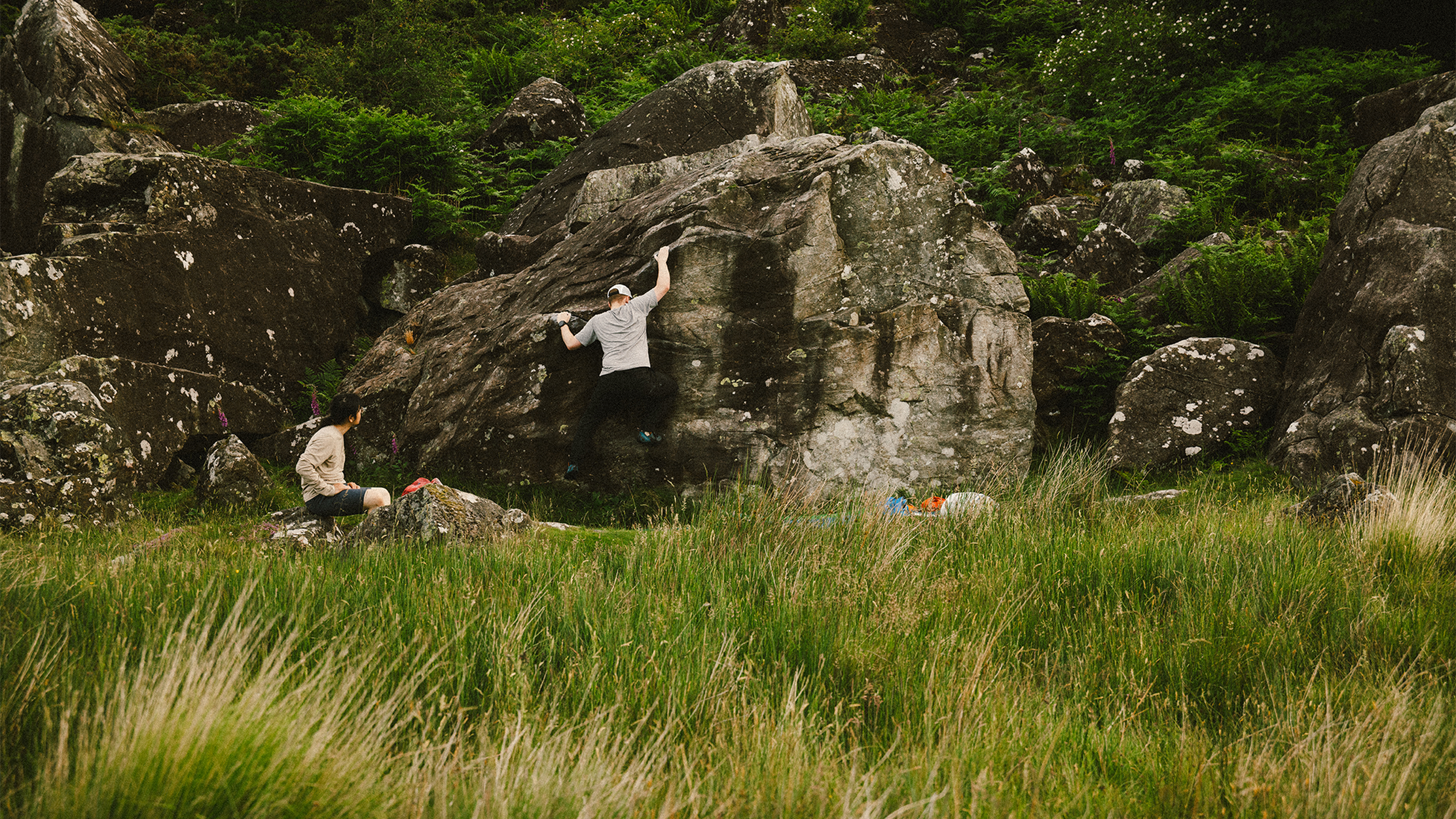
Climber bouldering while a partner spots and gear lies nearby.

Bouldering Tips for Beginners

New to bouldering?

Beginner bouldering picks

About the contributors

New to bouldering?

We asked the climbers on our team what their top tips are for beginners - from getting over your fear of falling to what gear to invest in.

Show up regularly

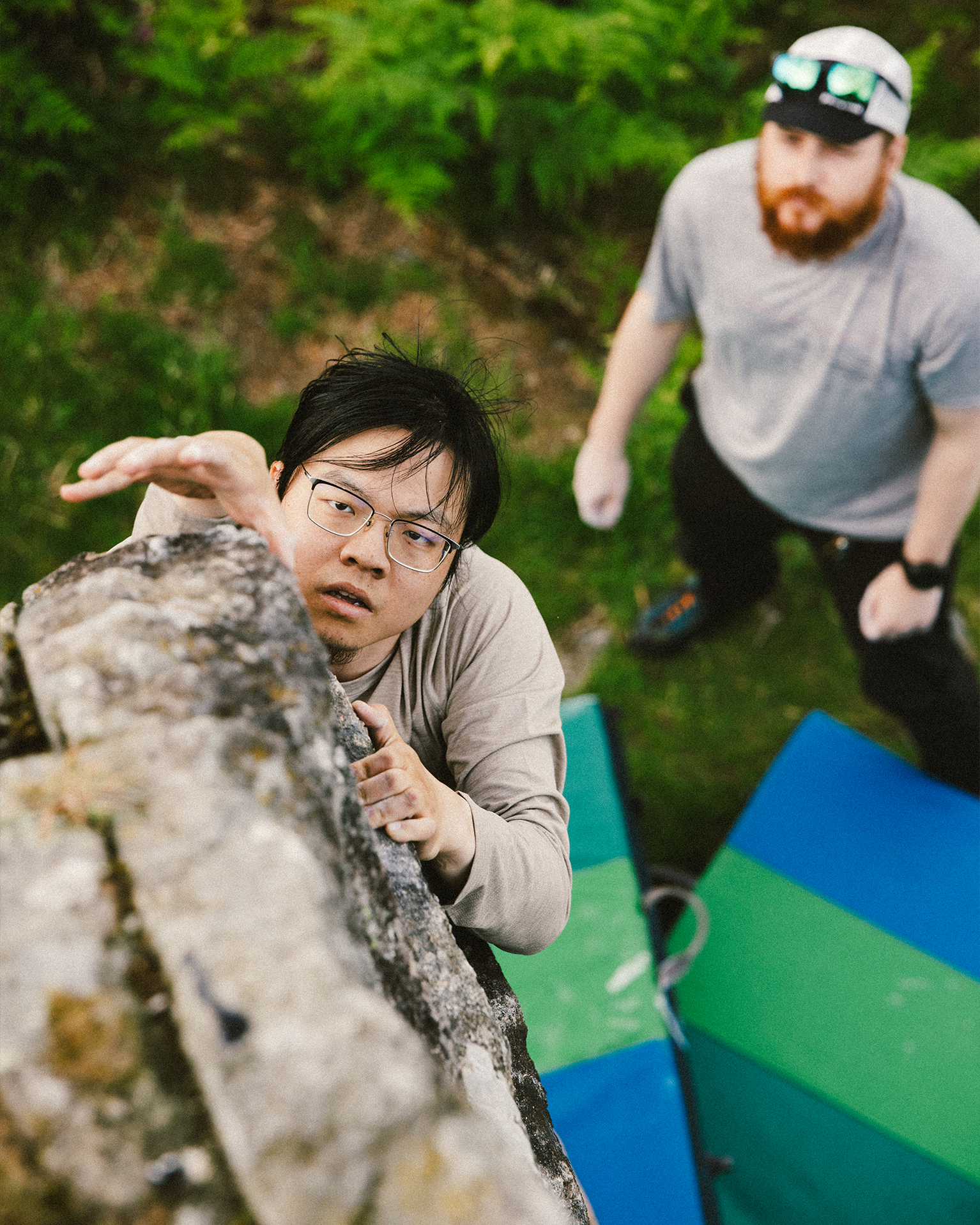
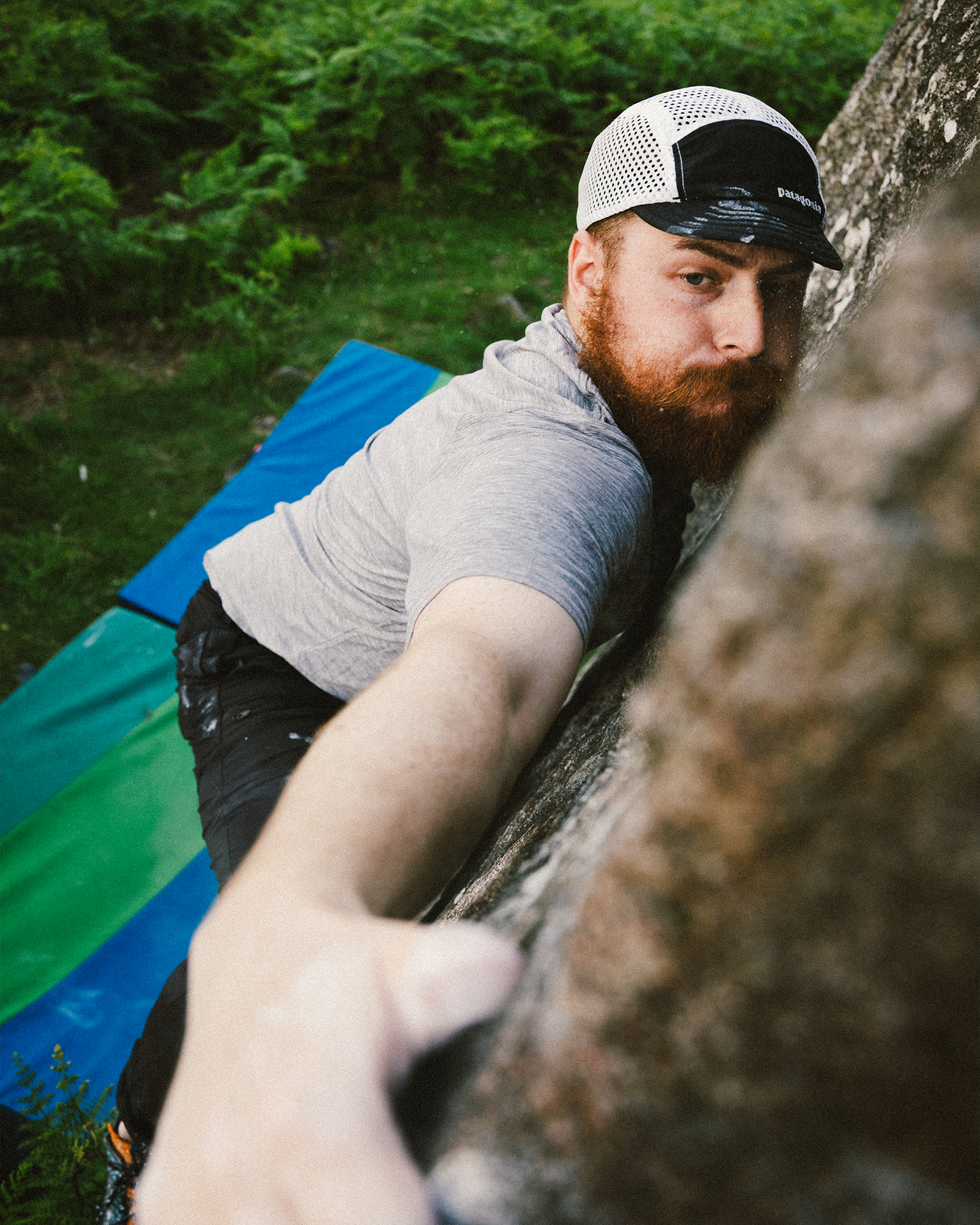
Climber in cap bouldering on an outdoor crag, reaching up with chalked hand above crash pads on the ground below

Don’t get too focused on grades

Climber reaching for a rocky hold on an outdoor boulder, with a spotter ready below on bright crash pads in a wooded setting

Getting over your fear of falling

"They say it's not the fall that gets you; it's the sudden stop, so knowing how to land is the key to building confidence. Eye up a potential fall trajectory and lay (plenty of) pads out accordingly. Are you on a slope that will make the pads slide when landed on? As the climber, make sure you land with your legs apart, and knees bent to cushion some impact. Unless you're on a low-angled slab, you tend to fall out as well as down, particularly if you come off while pulling through a move.

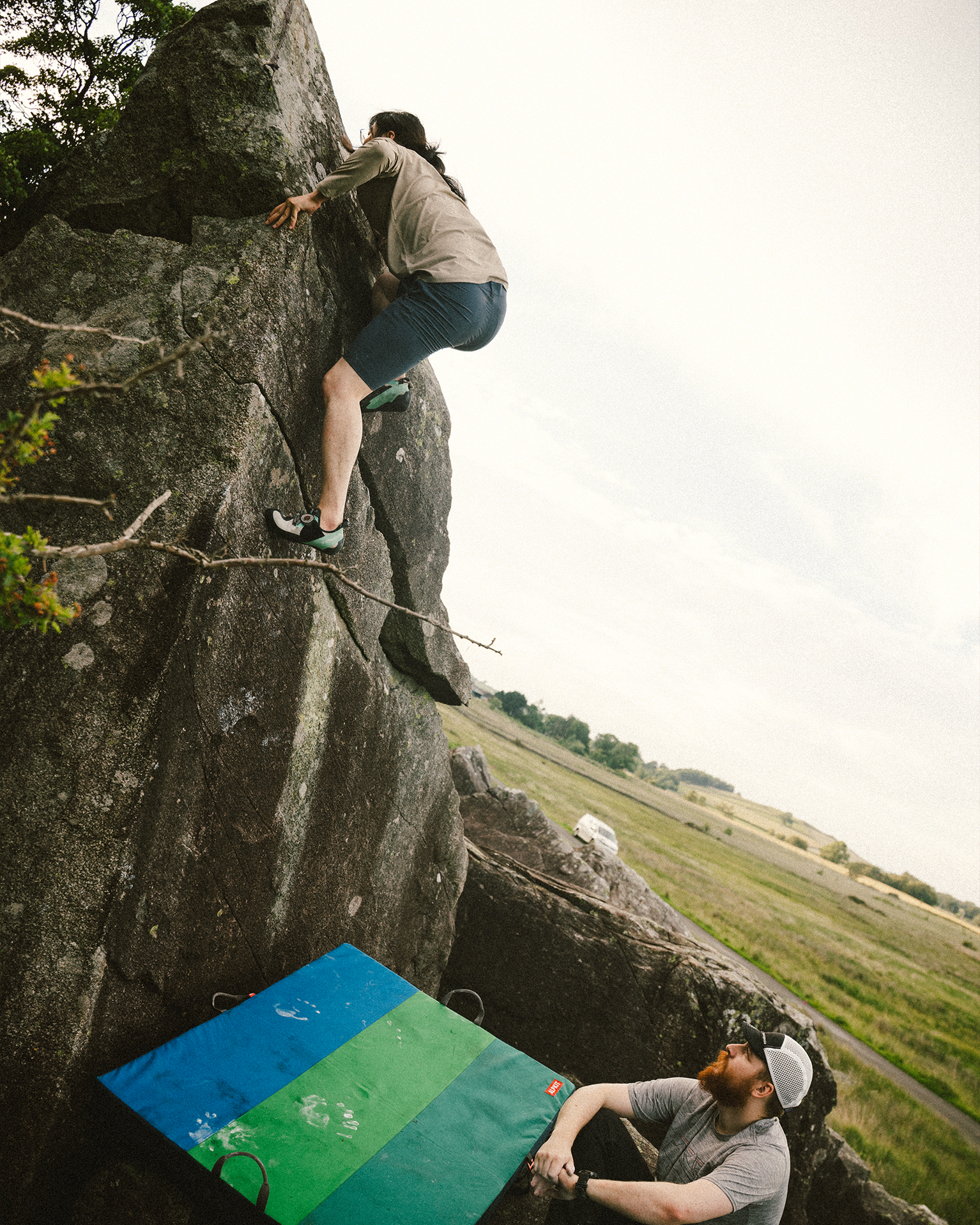
When bouldering outside, you've not got a huge surface area of pads like a bouldering gym; you rely on spotters. As a spotter, your job isn't to catch the falling climber but to guide them onto the pads. Stand with your arms up, concentrate, protect their head and back, and be ready to move as the climber does.

When you've got multiple pads laid out, you end up with gaps between them where there's no protection. Thin fold-out mats bridge these gaps and keep ankles intact: Black Diamond Gapstopper Bouldering Mat 

Tip: don't keep your brush on your chalk bag when you're on a problem; they're surprisingly sharp when they poke into your lower back if you land on them (trust me)." - Oscar, Copywriter

“Falling is always scary, but it’s a skill that will develop naturally the more time you spend on (and off) the wall. Embrace the opportunity bouldering gives you to be that little bit brave, and you’ll soon find yourself progressing and, most importantly, having fun." - Joe, Photographer

Learn the lingo

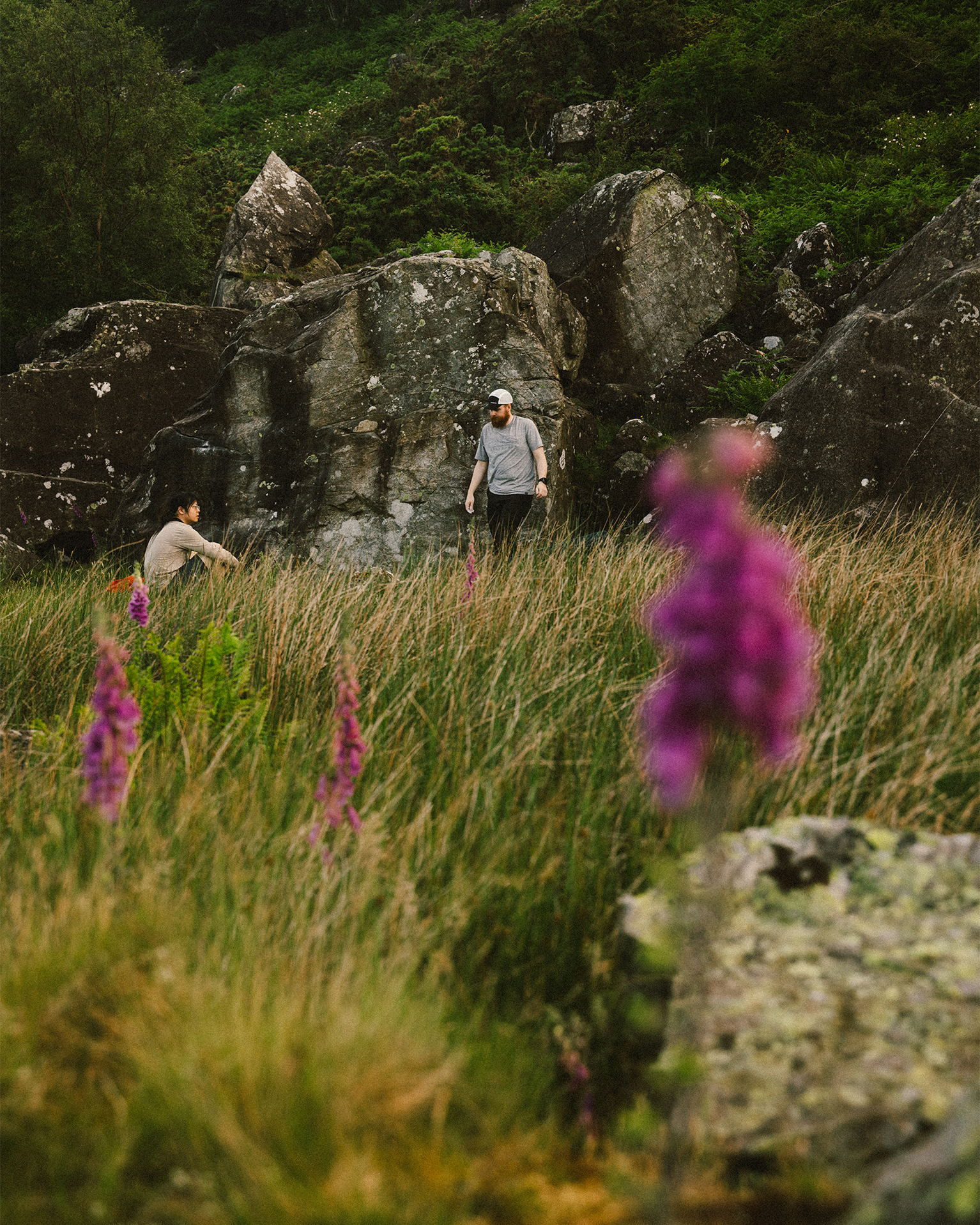
Two hikers explore rocky hillside terrain, surrounded by tall grass and purple wildflowers

Investing in the right gear

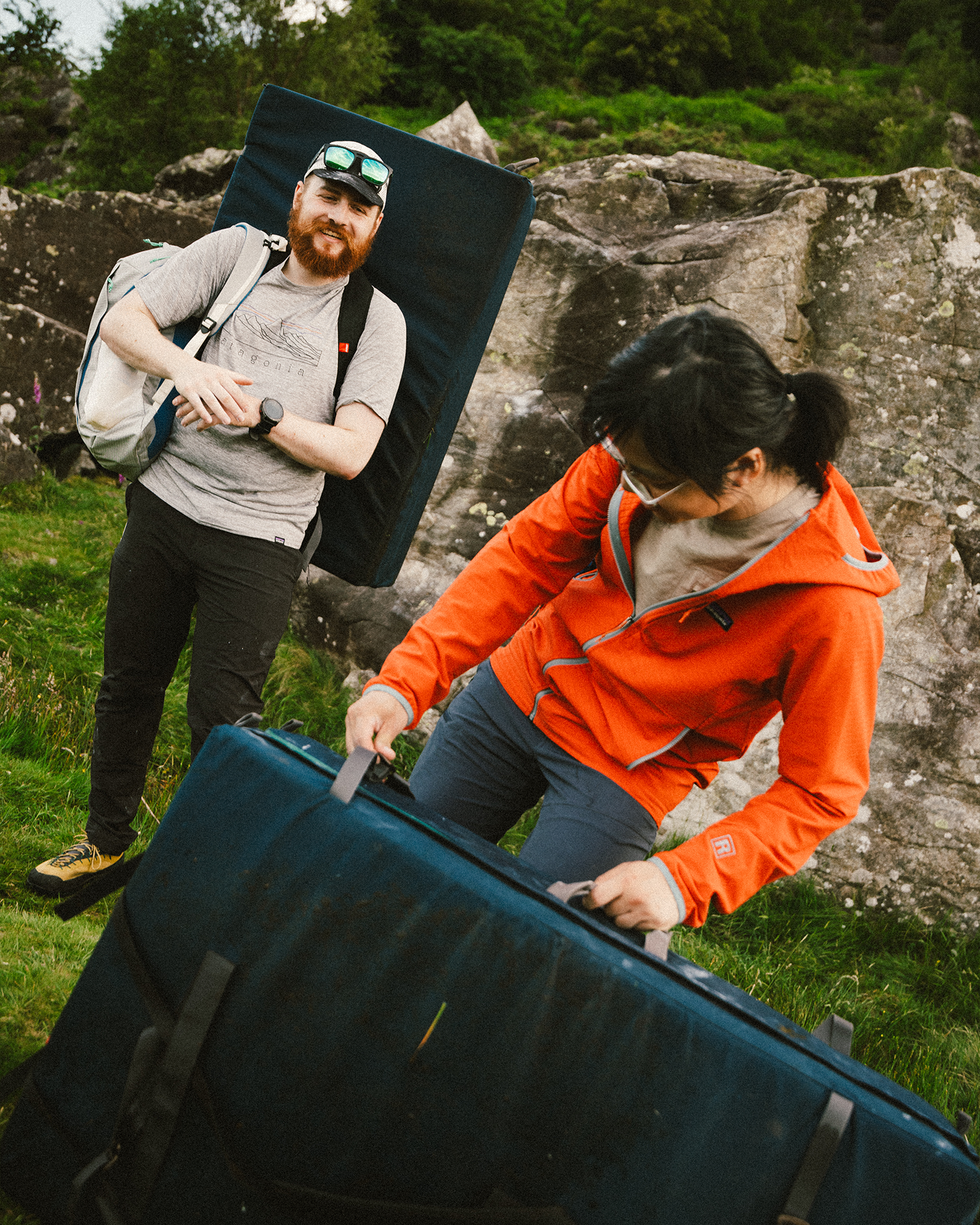
Two climbers with crash pads prepare for bouldering beside rocky outcrops and grassy terrain in the mountains

Improving your technique

Climber scales a large boulder above crash pads while a partner spots below in open countryside.

Don’t overdo it

"When you first get into climbing, it can be tempting to try and fit in as many sessions a week as possible. But go in too hard at the start, and you will most likely injure yourself. Two sessions a week with proper rest days on either side is a good way to build strength and stamina without overdoing it." - Ellie, Copywriter

“Warming up is easy to forget or ignore, but it's maybe the best way to avoid injury. Notice how your body feels before and after a session, as it can give useful pointers on what to focus on in your warm-up and stretches.

Generally, you can't go wrong with building up in four phases:

1. Start with gentle cardio to raise your temperature. A brisk walk or bike ride to the climbing gym or crag, plus some jumping jacks, are my go-to.
2. Get your joints moving. Dynamic hip and leg stretches, slow wrist circles, finger flicks and arm windmills for your shoulders all work well.
3. Then slowly start putting gentle weight through your fingers. I like to use a small edge of a fingerboard to engage my forearms, while keeping my feet on the ground. This is called 'recruitment'.
4. Finally, start climbing! Spend at least 10 minutes slowly climbing easier problems. This is a great opportunity to focus on your footwork and body movement. Then build up the intensity.

It sounds boring, but you know what's even more boring? Sitting at home because you injured yourself by not warming up.

At the end of a session, gently stretch your forearms, shoulders and hips out. This is where you can use some static stretches and yoga. It's also a great opportunity to slow down, breathe, and chill out before heading home.” - Tom, Email Marketing
Look after your skin

"The most common mistake that beginner climbers make is not looking after their skin enough. Indoor plastic or outdoor rock; both take a toll on the state of your hands. Beginners will often find it is not strength or tiredness that finishes a session - everything just gets a little too painful to hold!

A common skin injury people sustain is a flapper. This is when a section of skin or callus gets ripped open, usually after jumping to grab a hold. It exposes the sensitive layer of skin underneath and leaves a loose flap semi-attached. The easiest way to treat it is to cut the flapper off using scissors or nail clippers. Then clean and dress the wound. If you are looking to continue climbing, finger tape is your friend. Use it to keep a plaster on or protect other callused/blistered fingers from the same fate." - Ellie, Copywriter

Head outside

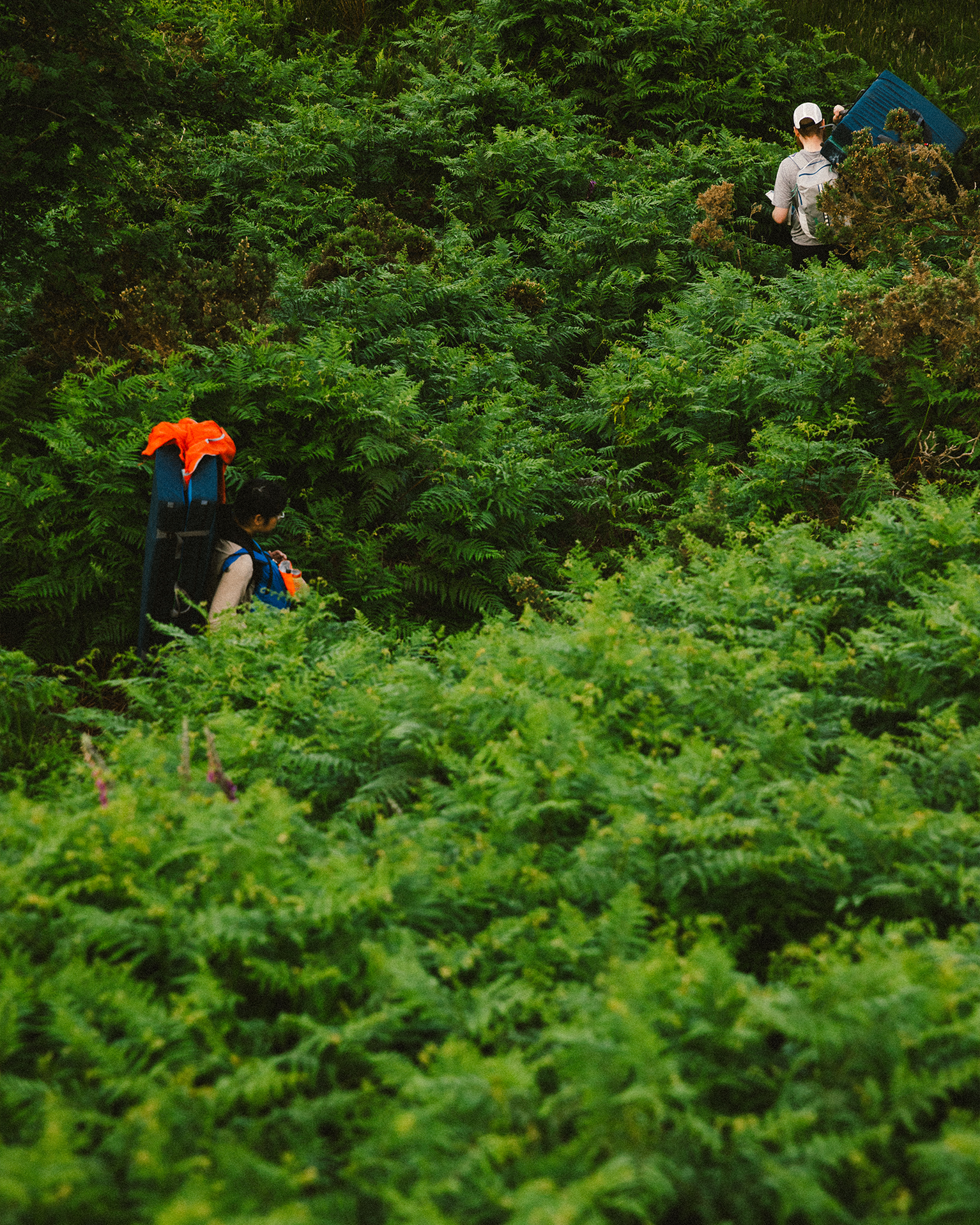
Two climbers with crash pads hike through dense green bracken on a steep hillside, bright kit standing out in the foliage

Final thoughts

Head into your nearest store for more advice on bouldering and to try out any gear in person before investing.

Beginner bouldering picks

About the contributors

Image of Tom

Email Marketing & CRM Executive

Tom

I grew up exploring the outdoors; kayaking, biking and surfing around the South West coast. Moving to Manchester led me to the joys of climbing grit and limestone, and I haven't looked back since. I also enjoy all the hiking that the Peaks have to offer, so there's always something to do when the rock is wet.

Image of Joe

Photographer

Joe

I'm lucky enough to be responsible for all Ellis Brigham ecommerce imagery from our Manchester Studio. When I'm not taking photos I'm usually found hiking, wildcamping, fell running or cycling in the Peak District. I basically love everything outdoor and want to help others to access and enjoy our rural spaces.

Image of Oscar

Product Copywriter

Oscar

My love of adventure and the mountains is what landed me at Ellis Brigham nearly two years ago, moving from retail assistant to product copywriter. It’s the mix of adventure, self-reliance and that visceral feeling of exposure that keeps me coming back to climbing again and again.

Studio Assistant & Stylist

Isobel

Product copywriter

Ellie