The 8 Best Multi-Day Hikes in the UK
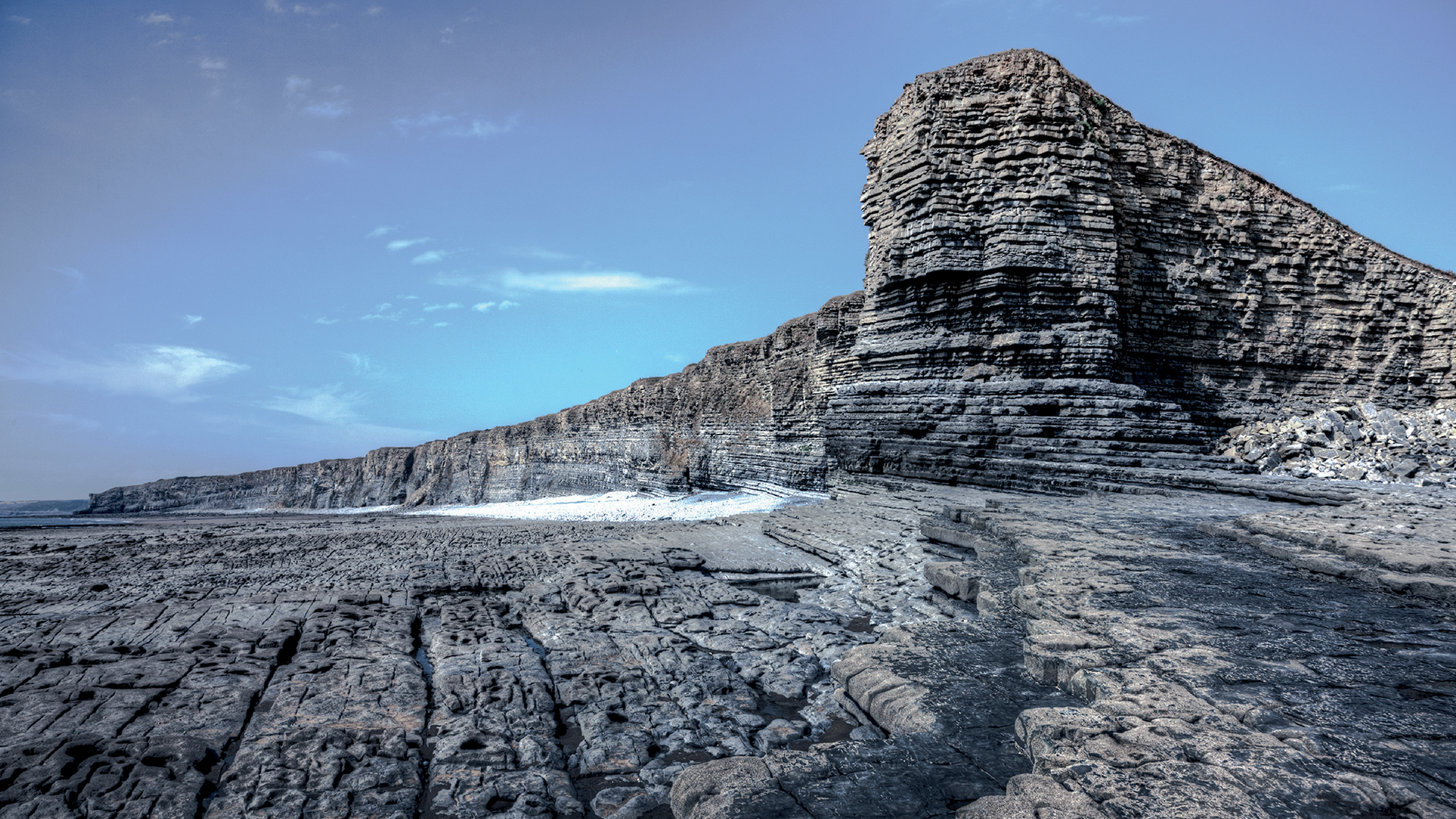
The UK's coastline stretches for around 30,000 kilometres. It’s where Viking longships appeared on the horizon, smugglers landed contraband beneath wave-dashed cliffs, saints sought solitude, and generations of sailors battled some of Europe's most treacherous seas. With over 6,000 islands, seven coastal national parks, and thousands of miles of footpaths, the UK offers some of the finest coastal walking in the world. From the soaring cliffs of Scotland to the hidden coves of Cornwall and the sweeping beaches of Northumberland, every stretch of coastline has its own character and its own history.
Whether you're looking for a gentle seaside stroll or a challenging clifftop hike, these are walks with unforgettable views and equally dramatic stories attached to them.
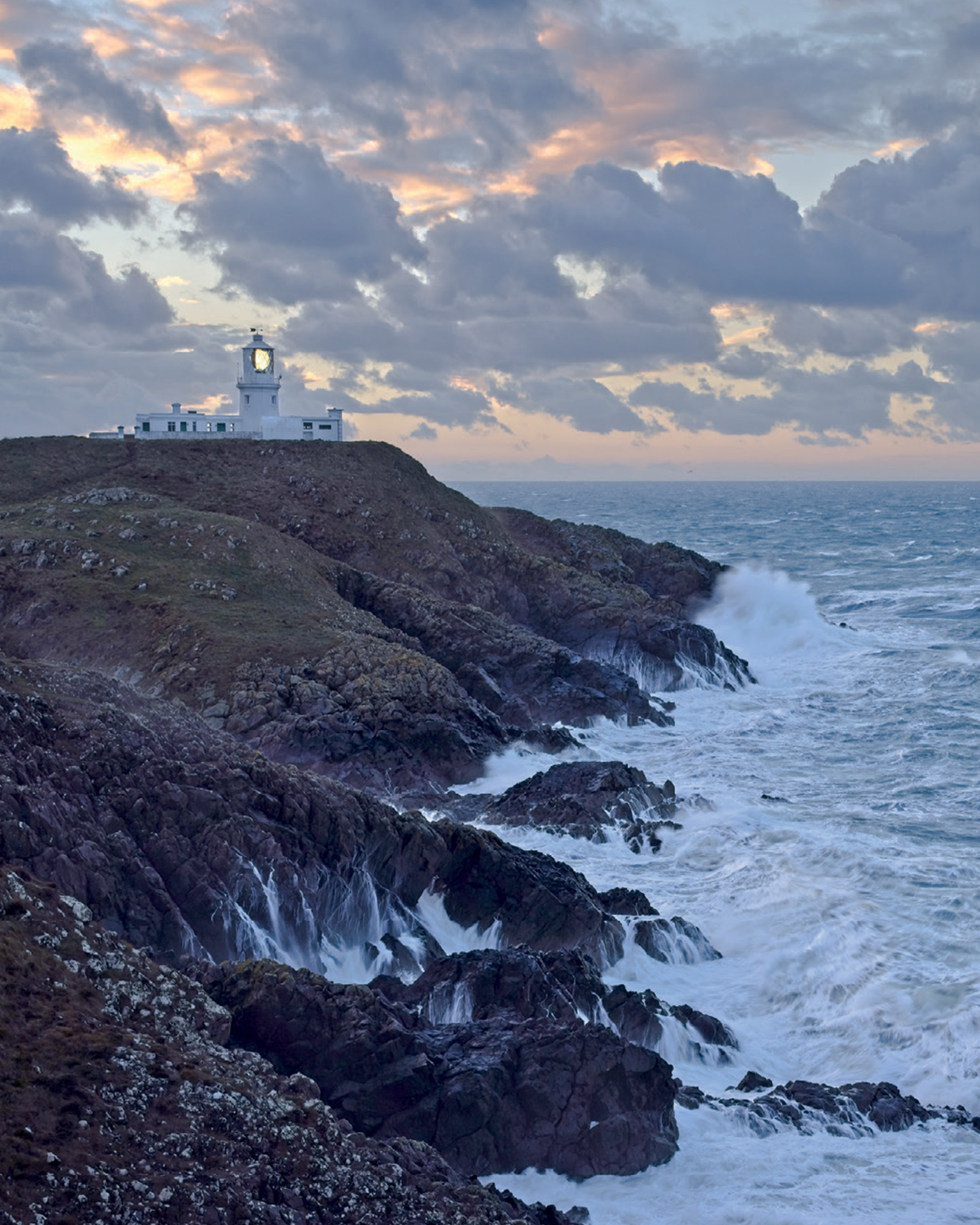
Standing like a red sentinel against the North Sea, the Old Man of Hoy is a 137-metre-tall sandstone sea stack. It became a national talking point when, in 1967, Chris Bonington led a team including Joe Brown and Ian McNaught-Davis to climb it, with BBC cameras along to capture every move. The live television broadcast drew an audience of 15 million viewers, making it one of the most-watched climbing events in history.
The striking stack is believed to have formed around 250 years ago, and its form has rapidly changed over time. Artistic depictions from the nineteenth century show 'the Old Man' once had a natural arch, resembling two legs.
The 10km walk to the stack begins at Rackwick Bay, where a path climbs inland across heather moorland before turning westwards to pass by old crofters’ cottages and then following along dramatic cliff edges until the stack’s silhouette comes into view. Reaching even the start point of the route is an adventure in itself, involving multiple ferry crossings. It’s a pilgrimage well worth making.
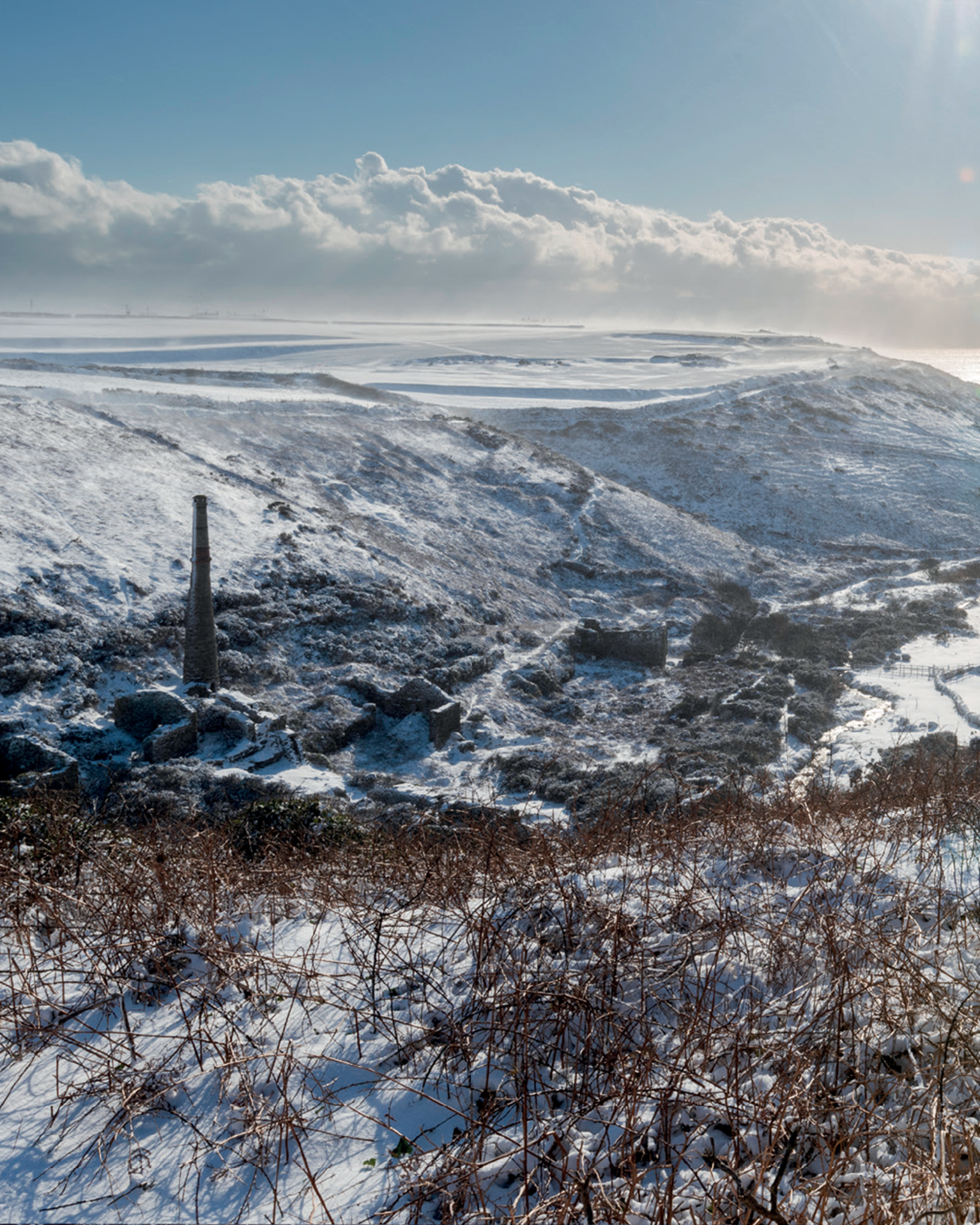
The Isle of Eigg possesses some of the most spectacular coastal scenery in Scotland. Towering cliffs rise from turquoise water, seals bask on remote beaches, and the distinctive ridge of An Sgùrr dominates the skyline.
But one of the island’s most compelling stories is also one of its darkest. In 1577, islanders sought refuge inside a sea cave during a bitter clan feud. Their enemies, the MacLeods of Skye, discovered the hiding place and lit fires at the entrance, suffocating almost 400 people sheltering inside. The site became known as Massacre Cave.
Today, the cave can be reached via a 4km coastal walk from Eigg’s ferry pier on a route that follows clifftop paths before descending steeply to the shoreline, where a torch is needed to explore the dark interior of the cave. If timed for low tide, it’s also possible to visit the vast Cathedral Cave nearby, a towering sea cavern once used to hold Catholic masses.
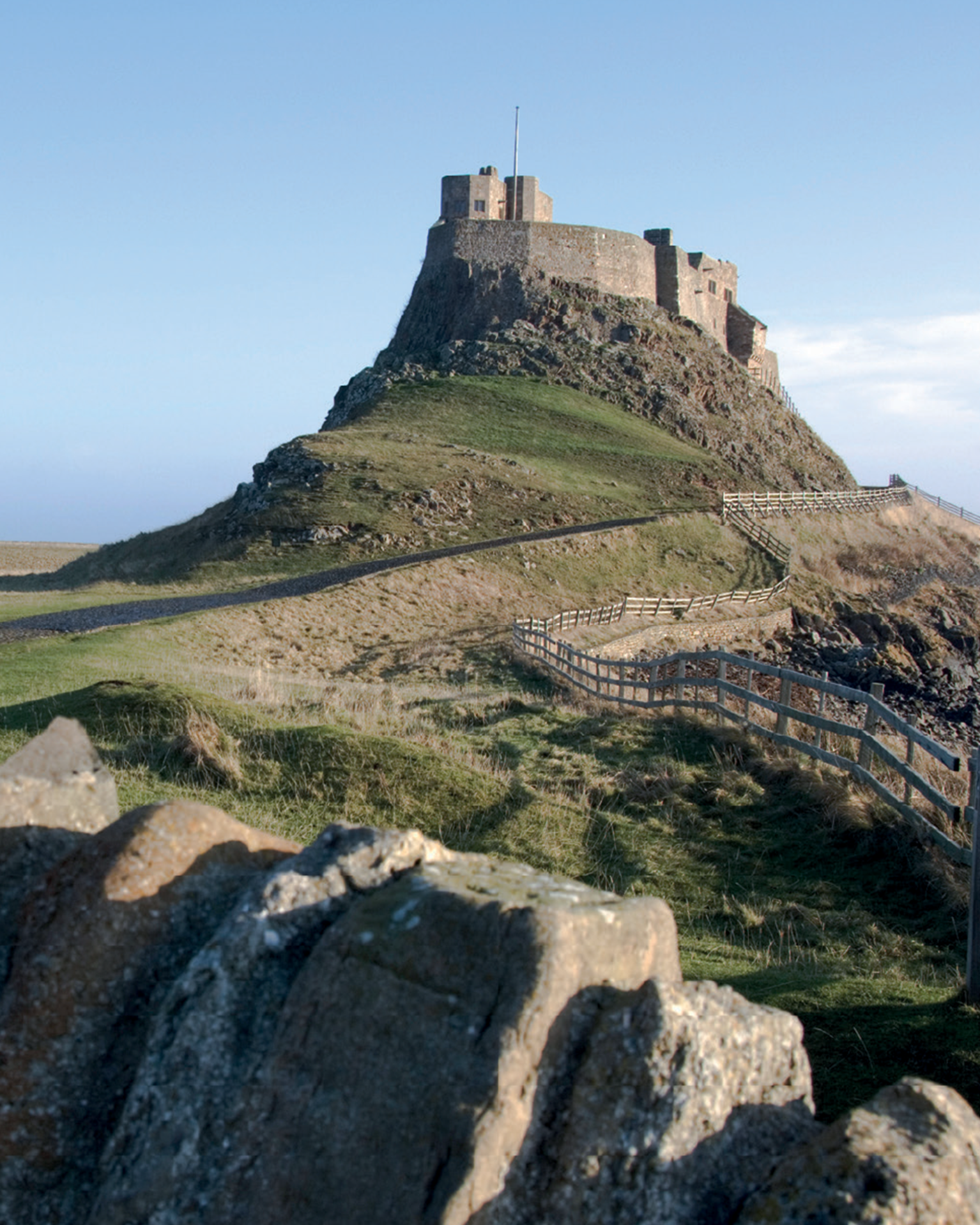
According to local legend, the Isle of Man is protected by a mythical sea god known as Manannán mac Lir. Whenever danger threatens, he will drape the entire island beneath a magical cloak of mist to conceal it from enemies approaching by sea. It’s a story that feels entirely believable when the weather rolls in across the island’s rugged coastline, causing sea and sky to merge into one.
Among the many highlights along Man’s 164km coastal path, the island’s southern tip is arguably the finest point of the island for natural beauty. A channel separates ‘the mainland’ from a much smaller island known as the Calf of Man, and the tidal water here can often tear ferociously through. The area is best enjoyed via a coastal walk linking Port Erin with Port St Mary, where you can watch seals riding the currents. You can sometimes gaze as far away as the mountains of North Wales, but remember they can vanish in moments beneath the swirling cloud and sea fog.
Will is an outdoor journalist and guidebook author from Wales.